Life Style
"I Want to Live in Korea Too": Why Did K-Pop Fans Choose to Live in Korea
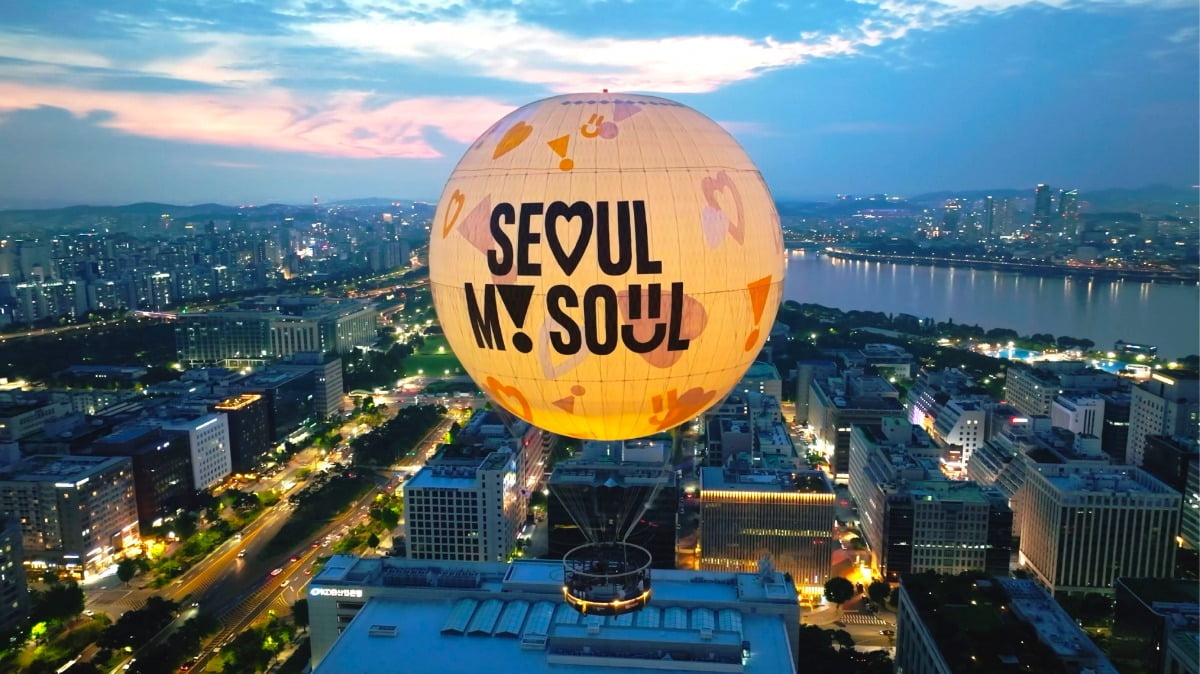
Foreign visitors are no longer treating South Korea as a quick stop. More of them want to stay for a month, rent a place, and live the way locals do. The shift is showing up in the numbers.
South Korea drew more than 4.76 million foreign tourists in the first quarter of this year, the highest quarterly figure on record. Within that surge, demand for so-called "month-long stay" trips has climbed sharply, according to the inbound tourism platform Creatrip. From January through May 10, sales of month-long stay products rose about 272 percent compared with the same period last year.
Taiwanese travelers led the trend. They accounted for about 60 percent of all bookings, and their reservations jumped roughly 172 percent year over year, the largest increase of any nationality. Visitors from Hong Kong held the second-largest share for the second year in a row. Japanese travelers entered the ranking this year for the first time, making up about 10 percent of bookings.
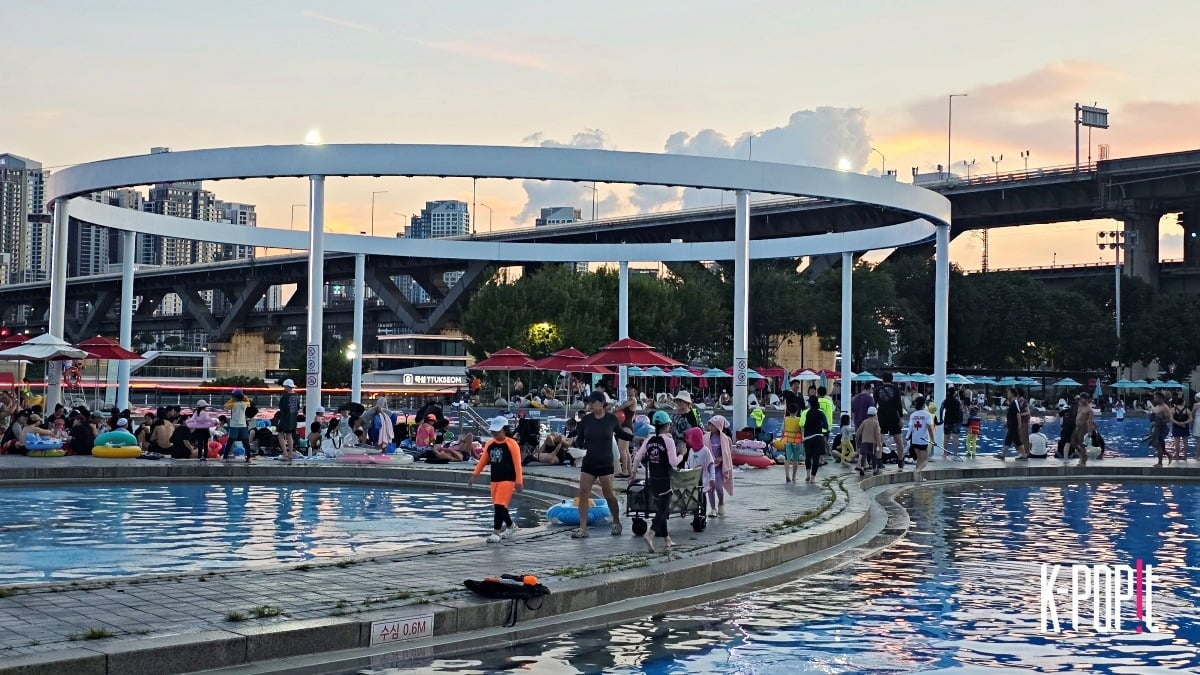
Industry watchers point to K-content as the main driver. Years of exposure to Korean dramas, variety shows, and YouTube has made daily life in Korea feel familiar to fans abroad, and many now want to test it in person rather than watch it on a screen. The rise of remote work and digital nomad lifestyles has loosened the rule that workers need to stay near an office. At the same time, travel itself is changing. Tourists increasingly want deeper local experiences instead of short sightseeing trips.
Policy is starting to catch up. Earlier this year, the government launched a pilot program for a "digital nomad," or workation, visa that lets remote workers based overseas live in Korea while keeping their jobs. Standard tourist visas, the B-2 and C-3 categories, made stays longer than a month complicated to arrange. The new legal path for extended stays has lined up with a rise in inquiries and bookings for long-term travel products.
For Korea's tourism industry, the trend points to a new kind of visitor. The country's pop culture, once mostly consumed from a distance, is now pulling fans into Korean neighborhoods, cafes, and apartments for weeks at a time.
Comments (0)
Loading comments…