Life Style
The Starbucks marketing controversy in Korea: Why were Koreans angry?
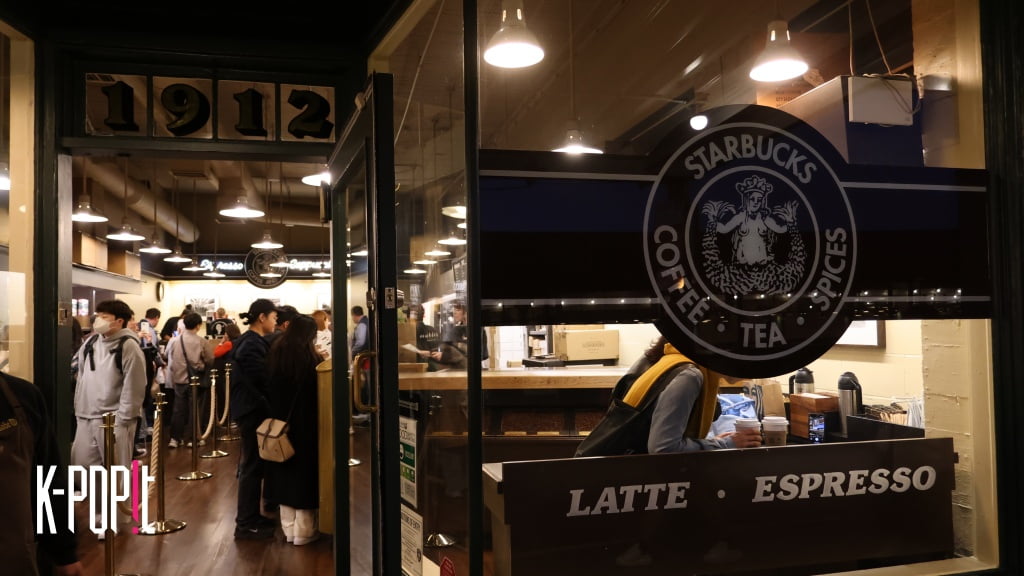
Starbucks Korea, one of the coffee giant's largest overseas markets, has been pulled into a sweeping political and social storm over a single marketing event. The trouble began on May 18, when the company launched a large discount promotion called "Tank Day," built around the image of a military tank.
In South Korea, May 18 is not just another date on the calendar. In May 1980, the country's military dictatorship sent troops, martial law forces and tanks into the city of Gwangju to crush citizens demanding democracy, killing hundreds of civilians. The May 18 Gwangju Democratization Movement is one of the deepest wounds in modern Korean history and a kind of sacred ground in the national memory. Using the tank, a symbol of that violence, as a marketing prop on the very anniversary of the massacre struck a nerve with the Korean public.
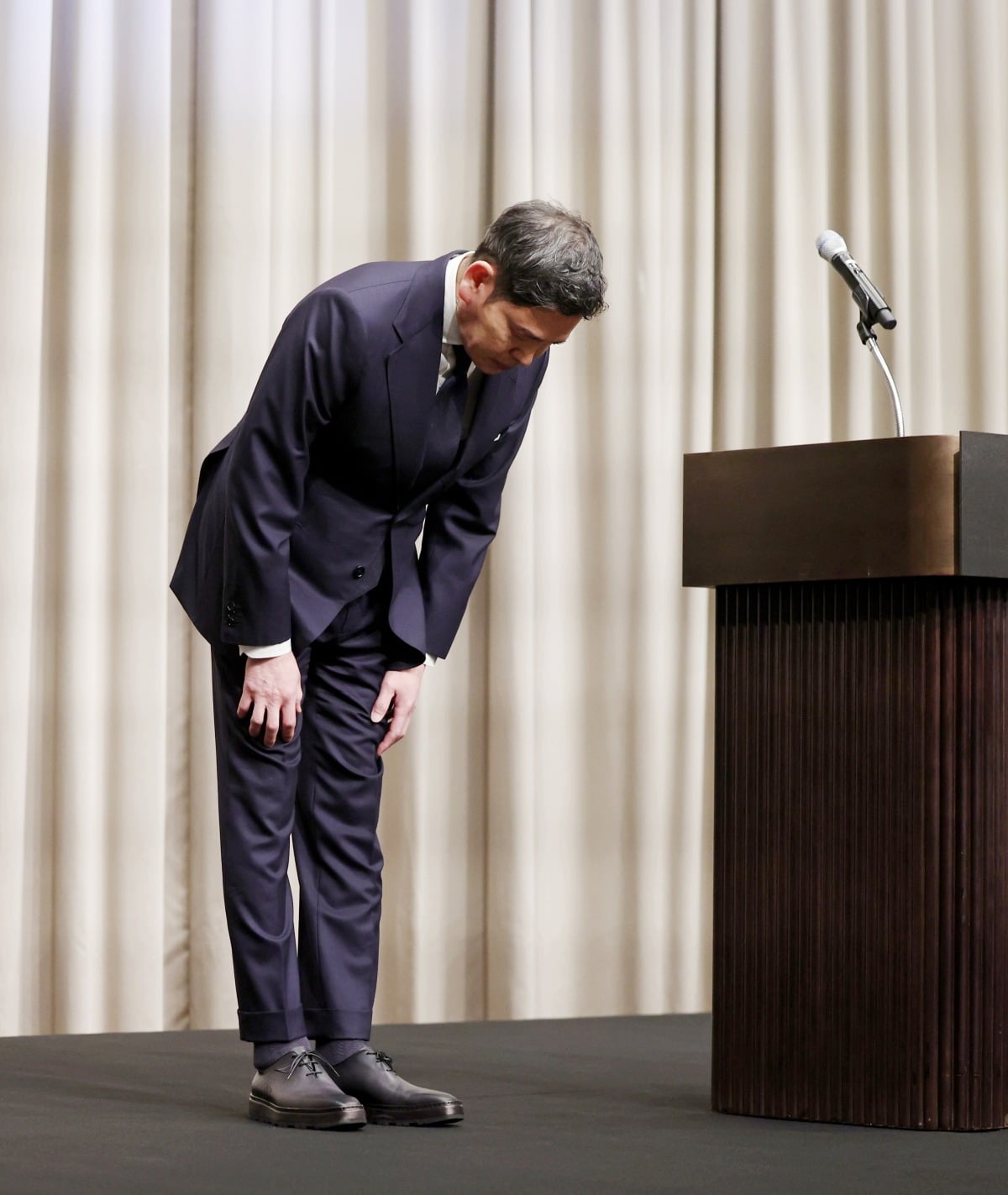
The reaction was made sharper by the figure at the top of Starbucks Korea's parent company. Chung Yong-jin, chairman of Shinsegae Group, which holds a stake in Starbucks Korea, has repeatedly posted conservative political comments on social media in the past, including remarks under the slogan "myeolgong," meaning "wipe out communism." That history led many to read political intent into the campaign. Shinsegae said an internal review found no political motive, but the explanation did little to cool public anger. Starbucks sales took an immediate hit.
Politicians quickly joined in. The progressive opposition party and the president condemned Starbucks in unusually strong language, calling the promotion the act of a "vicious merchant with no moral conscience." Party lawmakers were told to avoid the chain, and joint government events were canceled one after another. The conservative ruling party pushed back in the opposite direction, framing the backlash as a "people's tribunal aimed at the local elections" and urging supporters to carry Starbucks cups to the polls. Almost overnight, whether or not someone drinks Starbucks coffee has become a marker of political identity.
The pressure is now spreading into financial markets and the courts. In the week after the marketing controversy, shares of E-Mart, the parent company, fell nearly 12 percent, hitting shareholder value hard. Civic groups are calling on the National Pension Service, E-Mart's second-largest shareholder, to hold the company strictly accountable for what they describe as a failure of internal controls. Angry consumers have demanded refunds of the prepaid balances loaded onto the Starbucks mobile app, and the company has agreed to return the money.
As soon as a drop in sales looked likely, Starbucks Korea began cutting extended-shift staff at its stores. Frontline workers are absorbing a flood of angry phone calls and in-person complaints, and their mental strain has reached a breaking point. Because Starbucks has long held a dominant position in the Korean coffee market, industry observers warn that a prolonged sales slump could trigger a second wave of damage, including rent disputes with landlords of buildings that house its cafes, with knock-on effects spreading through suppliers and partners. Chung issued a public apology on May 26, but the controversy has not died down.
Comments (0)
Loading comments…